
ძებნა
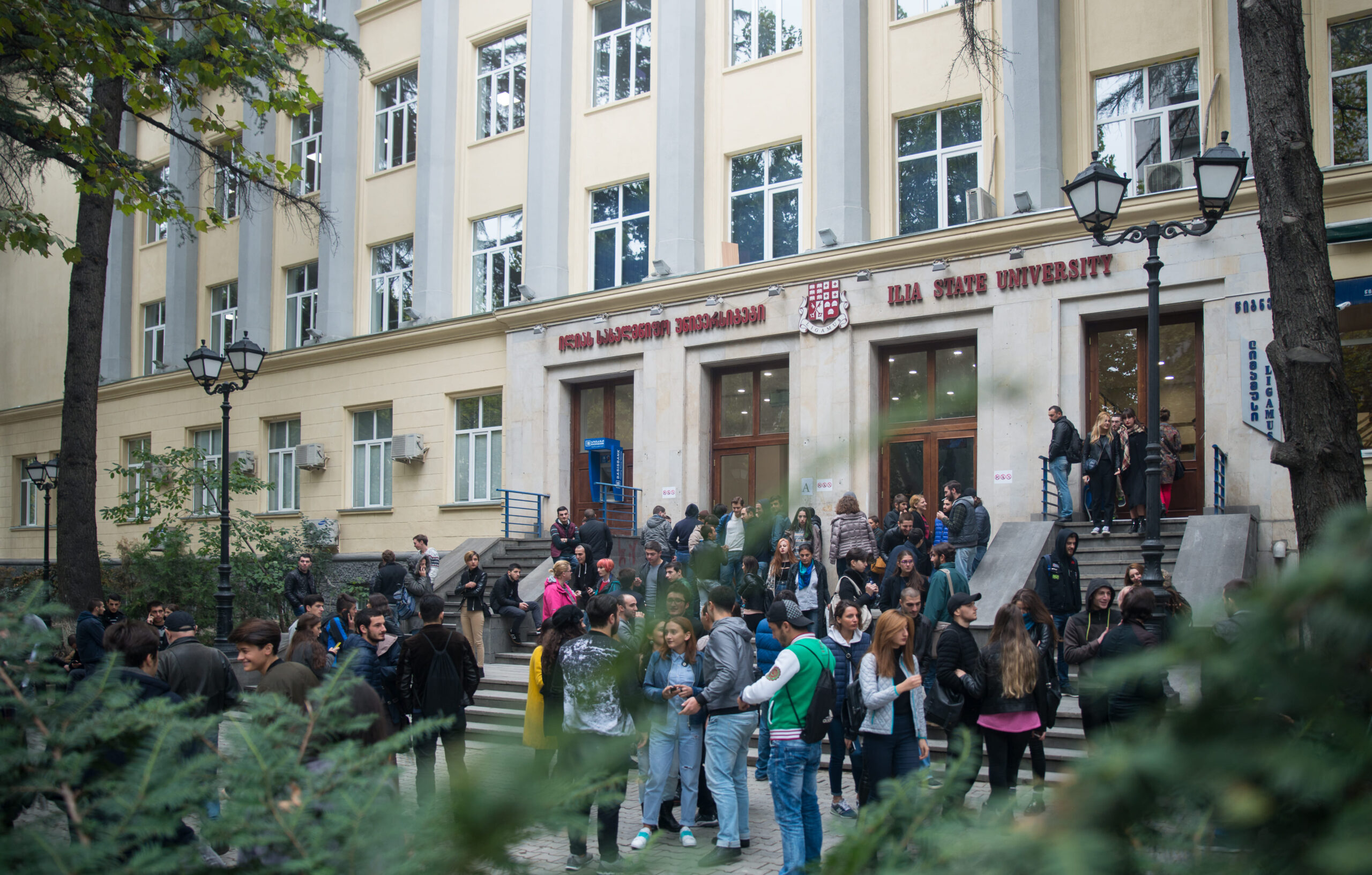
ილიას სახელმწიფო უნივერსიტეტი
დოქტორანტის სახელი და გვარი: გოჩა გოლუბიანი
ფაკულტეტი: საბუნებისმეტყველო მეცნიერებებისა და მედიცინის ფაკულტეტი
ხელმძღვანელი ილიაუნი: რევაზ სოლომონია
ხელმძღვანელი გოტინგენი: მიხაელ მიულერი
Rett syndrome is a neural development disorder caused by spontaneous mutation in Gene MECP2 (methylated CpG binding protein) which is located in chromosome X. Majority of patients are young girls as born boys tend to die soon after birth due to an acute state of disorder. Rett syndrome patients do not suffer with neurodegenerative process instead, due to neurons abnormal small size and danced packaging, brain volume is shrunken and neural structures weakened.
Rett syndrome patients´ development is normal during first 6 to 16 month of life. After that, several signs such as mental problems, and lack of communication are shown which later is followed by a number of severe disorders: sleep and breathing problems, laboured movements, frequent epilepsies and seizures, body weight lose, scoliosis and stereotypic hand movements.
Tissue analyses of Rett syndrome patients show that mitochondrial structure is damaged and functions and efficiency are hindered. So far, cure for this disease is not available and only known way to partially mitigate the symptoms is administering antioxidants.
Research objectives
Research will be done on males and females of MECP2 knock out and healthy mice. Females near4 50 days old and males around 50 days old. One half from each gender group will be fed with normal food whereas the second half with antioxidant food. Also, it must be mentioned that male mice are expected to exhibit Rett Syndrome features more strongly and earlier than females. The main topic of research is the comparative study of hippocampal mitochondrial proteome in the Rett syndrome and healthy mice. We will try to identify differentially expressed mitochondrial proteins.
Task-1. Whole mitochondrial proteome comparative studies
These studies will be conducted in gender, age and food type dependent fashion and the hippocampus and cortex of the knock out and healthy mice will be used
Task-2 Mitochondrial Dynamics
In parallel to planned whole proteome studies on a wide scale, we propose to carry out special hypothesis-based series of experiments, where we will focus on expression of proteins involved in mitochondrial fusion/fission. Earlier, in Professor Müller’s lab it was shown that Rett syndrome is characterised by the higher mitochondrial content in cells of as compared to the healthy mice. It could be hypothesized that increased mitochondrial fission takes in the knock out mice. Healthy mitochondria continuously undergo the balanced opposing processes of fusion and fission (mitochondrial dynamics).
Task-3. Antioxidant treatment and mitochondrial proteome
Has Trolox (antioxidant) treatment effects on whole mitochondrial proteome or more specifically on proteins involved in mitochondrial dynamics? We will compare the mitochondrial proteome of the hippocampus and cortex of the knock out mice with or without Trolox treatment.
It should be noted that inhibitors of mitochondrial fission are considered as therapeutics for diseases with oxidative stress and mitochondrial dysfunction. If our hypothesis about increased mitochondrial fission will be justified we consider the treatment of knock out mice also with well known inhibitors of mitochondrial fission.
Task -4. As for research activities done in Germany, it is planned to gather information about reactive oxygen species generation and oxygen consumptions from alive mitochondria extracted from cortex and hippocampus of knock out and healthy mice. As previous findings show, oxygen consumption shell be impaired and ROS generation increased in Rett syndrome mice with tissue dependent manner.
სამეცნიერო სტატიები:
სამეცნიერო კონფერენციები: