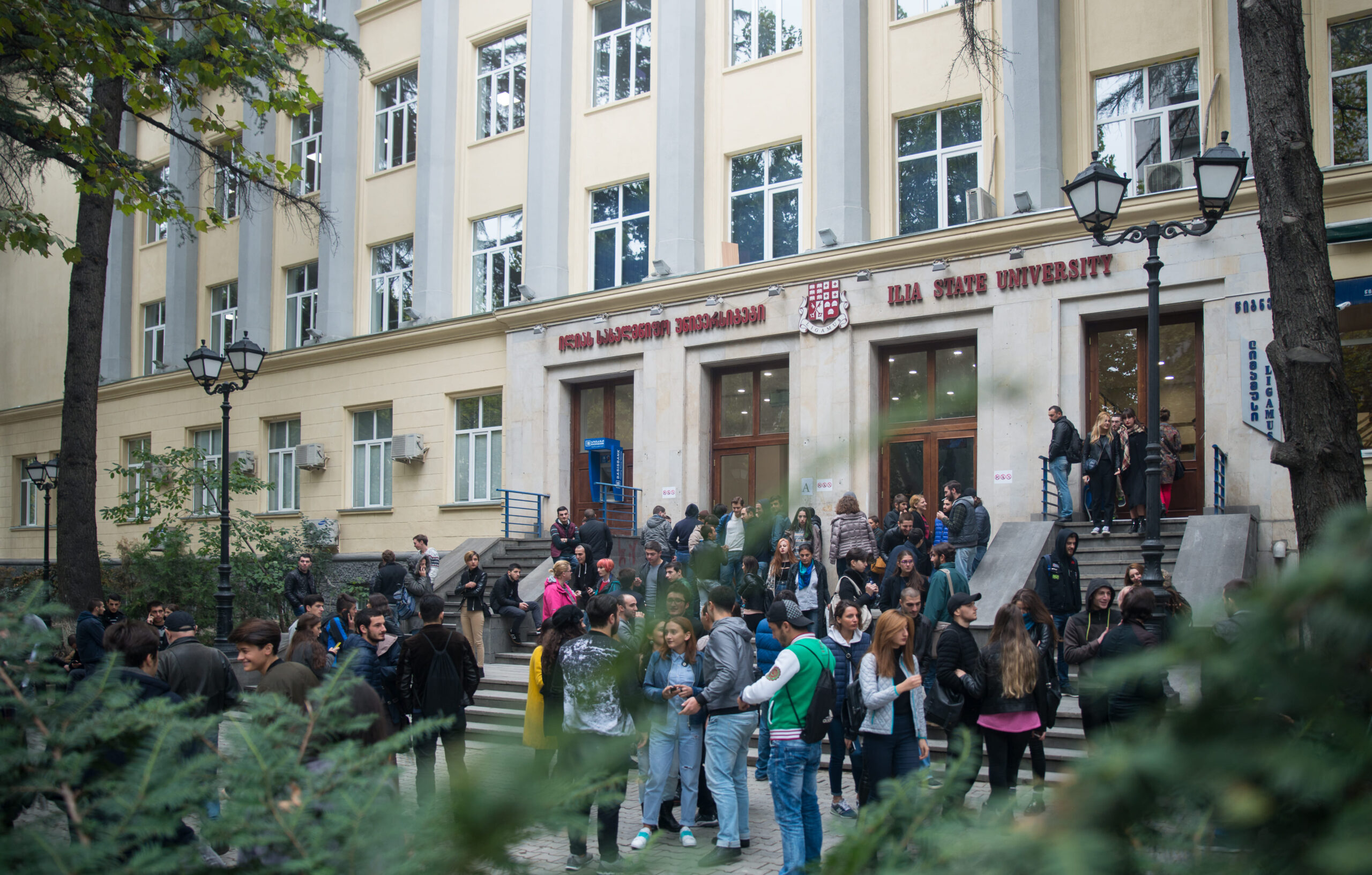
დოქტორანტის სახელი და გვარი: ვასილ მეტრეველი
ფაკულტეტი: საბუნებისმეტყველო მეცნიერებებისა და მედიცინის ფაკულტეტი
ხელმძღვანელი ილიაუნი: ალექსანდრე გავაშელიშვილი
ხელმძღვანელი გოტინგენი: ჰოლგერ კრეფტი
The Ph.D. research represents a study of European-sweet chestnut (Castanea sativa) ecology in the Caucasus, which describes the distribution and conditions of chestnut forest.
According to the national Red List of Georgia, Castanea sativa is considered as a vulnerable species. It is distributed in Europe and Asia and represents a relict of the Last Glaciations Maximum.
At least two populations of C. sativa are spread in the Greater and Lesser Caucasus from 200 to 1300 above sea level (Tugushi, 1965). 20 years ago, chestnut stands occupied almost eighty thousand hectares in the Caucasus region (Pridnya and Cherpakov, 1996).
A large problem for chestnut species is the fungi Cryphonectria parasitica (syn. Endothia parasitica). Within 50 years, it killed almost all of the estimated 4 billion American chestnut trees in the eastern forests of the United States (Zhang, 2013). Since its introduction in 1938 to Italy, the blight has spread throughout Europe (Robin and Heiniger, 2001).
Cryphonectria parasitica appeared first in the Caucasus 1938, and 1980th it had covered the whole region (Protsenko, 1939; Pridnya and Cherpakov, 1996). Only some individuals older than 50 years old survived and the quantity of seedlings also decreased (Pridnya and Cherpakov, 1996).
Even though there are several studies about C. sativa in the region, we still do not know their occurrence and distribution patterns in the Caucasus. Also, we do not know what the dissemination depends on and how the variables of distribution differ in the area. (Tugushi, 1965; Tavadze et al. 2013) Genetical research on chestnut stands is still not carried out in Georgia (Mattioni et al., 2013).
We know, the best living condition for C. parasitica is warm and humid climate. It cannot survive in dry and cold climate (Anagnostakis, 1987). Also, we know that chestnut can be resistant to the fungi in very special cases (Stevens, 1917).
Accordingly, there must be special conditions where the fungi cannot develop well. Under such circumstances, chestnut could be more sustainably managed using the most successful measures against the pathogen.
სამეცნიერო კონფერენციები:
- Plant science student conference 2021
online 2021 June